
I’ve seen too many homeowners start their renovation with excitement and end up drowning in stress, blown budgets, and contractor drama.
You’re probably here because you want to renovate your home but you’re worried about the horror stories. The projects that drag on for months. The costs that double halfway through. The fights with your partner over tile choices at 11 PM.
Here’s the truth: most renovations fail because people skip the boring stuff. They jump straight to Pinterest boards and paint swatches without building a real plan.
I’ve worked with thousands of homeowners here in Daytona Beach and beyond who thought they were ready to renovate. Most weren’t. Not because they lacked vision, but because they didn’t have a process.
This guide walks you through exactly how to renovate your home without losing your mind or your savings. I’ll show you how to plan it right, budget realistically, and execute without the chaos.
We focus on what actually works. Not trendy advice that sounds good but falls apart when you’re three weeks in and your contractor stops returning calls.
You’ll learn how to avoid the mistakes that tank most projects. How to set a budget that holds. How to work with contractors without getting taken advantage of.
For more renovation tips miprenovate covers in depth, you’ll find practical strategies you can start using today.
No fluff. Just the process that turns your dream renovation into reality.
Phase 1: The Blueprint for Success – Strategic Planning & Budgeting
I see this mistake all the time.
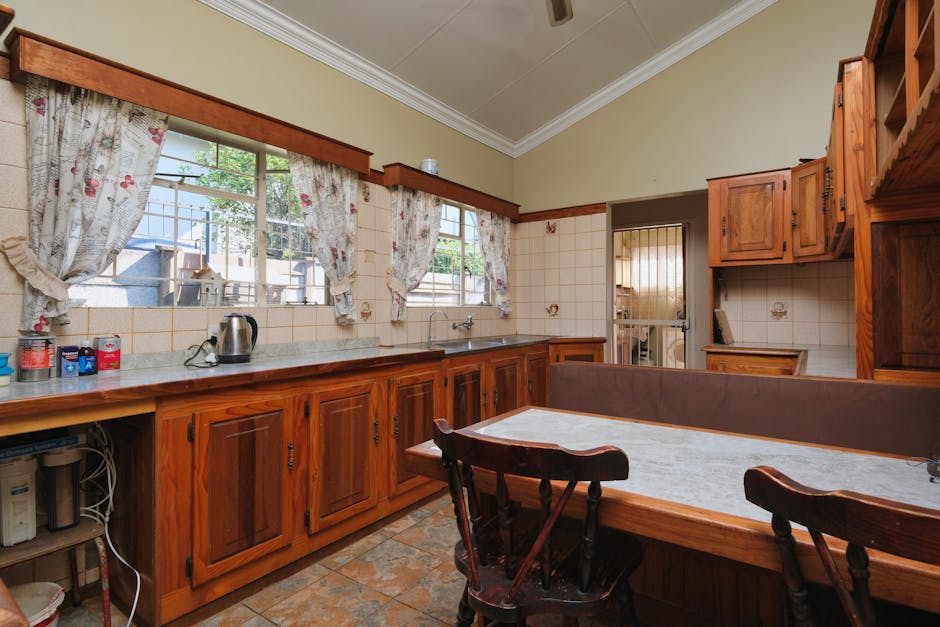
Someone decides to remodel their kitchen and jumps straight into picking out countertops. Then three weeks in, they realize they never thought about whether they actually need more storage or better workflow.
That’s backwards.
Define Your ‘Why’
Before you touch a single thing, you need to know your real goal. Are you renovating to sell the house in two years? Do you need better functionality because your current layout drives you crazy? Or do you just want something that looks less like 1987?
Your answer changes everything. If you’re selling, you focus on broad appeal and ROI. If you’re staying, you can get specific about what you actually need.
I think we’ll see more homeowners in the next few years prioritizing function over aesthetics. The open concept craze is already cooling off, and I’m betting we’ll swing back toward defined spaces that actually work for how people live.
Create a Detailed Scope of Work
This is where most budgets fall apart.
You can’t just write “remodel kitchen” and call it a plan. You need every single task written down. Demo existing cabinets. Install new plumbing lines. Tile the backsplash. Paint walls and trim. Replace light fixtures.
When you list it all out, you catch things you’d otherwise forget. And you prevent scope creep (that thing where “just the kitchen” somehow becomes “well, we should probably do the dining room too”).
The 15% Contingency Rule
Here’s the number one tip I can give you about staying on budget.
Add 15 to 20% on top of your estimated costs for contingency. Not because you’re bad at planning. Because houses hide problems.
You open up a wall and find water damage. The electrical isn’t up to code. The subfloor needs replacing. These aren’t rare situations. They’re normal.
The people who budget to the penny are the ones who end up halfway through a project with no money left. Don’t be that person.
Researching Permits and Regulations
I know this part sounds boring.
But check your local building codes before you start anything. That deck you want to build? Might need a permit. Removing a wall? Definitely check if it’s load bearing, and yes, you’ll probably need approval.
Skipping this step can cost you thousands in fines. Worse, it can tank your home sale down the road when inspections reveal unpermitted work.
My prediction? Building departments are going to get stricter about this stuff, not more relaxed. Better to do it right from the start.
You can find more planning strategies and renovation tips Miprenovate offers for different project types. But the foundation is always the same. In every renovation journey, understanding the core principles behind planning is essential, and that’s where Miprenovate shines by providing invaluable strategies tailored to various project types.
Know why you’re doing it. Plan every detail. Budget for problems. Follow the rules.
Do that, and you’re already ahead of most people who start a renovation.
Phase 2: High-Impact Choices – Materials, Design, and Sustainability
You know what kills most renovation budgets?
Chasing what looks good on Instagram right now.
I see it all the time. Someone drops thousands on that trendy tile pattern or the hot new cabinet color. Then three years later, they’re stuck with a dated kitchen that screams 2024.
Here’s what I do instead.
I pick materials that have staying power. Quartz countertops in neutral tones. Hardwood floors in classic finishes. White subway tile (yeah, it’s been around forever, and it’ll still look good in 20 years).
Some designers will tell you to follow your heart and pick what you love right now. That emotional connection matters, they say.
Sure. But your heart might change when you’re trying to sell your house and buyers walk in to see your 2010s farmhouse aesthetic frozen in time.
The smarter play? Choose timeless foundations. Then layer in your personality with things you can swap out easily.
Where I spend money:
Things I touch every day. Cabinet hardware that feels solid in my hand. Faucets that don’t leak after six months. Quality flooring that won’t scratch when I drag a chair across it.
Where I save:
Paint colors (a weekend project to change). Light fixtures (easy swaps). Throw pillows and wall art (no explanation needed).
I learned this the hard way after spending $800 on a statement light fixture I got sick of in two years.
Now let’s talk about sustainability, because this is where you can actually save money while doing something good.
Low-VOC paints cost maybe $5 more per gallon. But you’re not breathing chemicals for weeks, and honestly, they cover better than the cheap stuff. I walk through this step by step in Cleaning Hacks Miprenovate.
Reclaimed wood gives you character that new lumber never will. Plus, you’re keeping material out of landfills. I used reclaimed barn wood for floating shelves last year. Cost less than buying new and looks ten times better.
Energy-efficient windows are expensive upfront. No getting around that. But my heating bill dropped 30% after I replaced mine (and I live where Florida winters are mild, so imagine the savings in colder climates).
Here’s something most people overlook completely.
Lighting.
You can have the most beautiful materials in the world, but bad lighting makes everything look flat and cheap.
I plan three types in every room. Ambient lighting for overall brightness. Task lighting where I actually work (under cabinets, over the sink). Accent lighting to highlight what matters.
A $200 investment in the right lighting setup will transform a space more than $2,000 worth of new furniture.
Pro tip: Put your lights on dimmers. Same fixture, completely different moods depending on time of day.
Want more renovation tips miprenovate can help with? Start with your lighting plan before you pick a single finish material. It’ll show you what actually needs to be beautiful and what can be basic.
Phase 3: The Execution – DIY Wins vs. Calling the Professionals

You’ve got your plan. You’ve got your budget.
Now comes the part where most people either save a ton of money or make expensive mistakes.
I’m talking about knowing what you can handle yourself and what needs a professional. And trust me, getting this wrong costs way more than just hiring someone from the start. When embarking on your next home improvement project, remember that understanding your limits is crucial, and for invaluable guidance, you can always refer to Miprenovate Renovation Tips by Myinteriorpalace to help you distinguish between what you can tackle yourself and what requires a professional touch.
Let me break down what I’ve learned after years of watching homeowners tackle their own projects.
Projects You Can Actually Handle
Some tasks are perfect for beginners. You don’t need special skills and the savings are real.
Painting is the obvious one. Buy quality paint and take your time with the prep work. You’ll save hundreds compared to hiring it out.
Demolition work? That’s mostly sweat equity. Ripping out old cabinets or tearing up carpet doesn’t require a license. Just safety glasses and a dumpster.
Installing new cabinet hardware or light fixtures is simpler than you think. Watch a few videos and you’re good to go.
Basic landscaping falls into this category too. Planting flowers or laying mulch is straightforward work that adds real value.
These renovation tips miprenovate your budget without putting your home at risk.
When to Step Back
But here’s where I draw a hard line.
Never mess with electrical work beyond changing a light bulb. One mistake and you’re looking at a house fire or worse.
Major plumbing is the same story. A leaky pipe you tried to fix yourself can cause thousands in water damage. Not worth it.
Structural changes need an engineer and a contractor. Your house needs to stay standing.
Roofing? Absolutely not. It’s dangerous and one bad shingle placement leads to leaks you won’t find until the damage is done.
Finding Someone You Can Trust
When you do need to hire out, don’t just pick the cheapest bid on Craigslist.
Start by asking for their license number and insurance certificate. Call to verify both are current.
Get three references from jobs they finished in the last six months. Actually call those people and ask specific questions about quality and timeline.
The contract needs every detail in writing. What they’re doing, what materials they’re using, when they’ll finish, and how much it costs.
(Pro tip: Never pay more than 10% upfront. Good contractors don’t need your money to buy materials.)
Keeping Your Sanity During the Work
One thing that’ll save your mental health? Keeping the mess contained.
Hang plastic sheeting to section off the work area from the rest of your house. It takes ten minutes and keeps dust from settling on everything you own.
Make cleanup part of the daily routine. Sweep up at the end of each work session. It sounds small but coming home to a disaster zone every day wears you down fast.
You can find more ways to stay on top of the chaos with these cleaning hacks miprenovate style.
Look, renovation is messy no matter what. But you can control how messy.
The difference between a project that nearly ends your marriage and one that just feels like a temporary inconvenience? It’s usually about knowing your limits and keeping things organized.
Phase 4: Beyond the Build – Future-Proofing and Maintenance
Your renovation is done.
But here’s what most people don’t tell you. The work doesn’t actually end when the contractors leave.
I’m not talking about more construction. I mean setting yourself up so you’re not scrambling six months from now when something needs attention.
Create a home maintenance binder. Sounds boring, I know. But when your HVAC acts up in July and you can’t remember which contractor installed it, you’ll thank yourself. Toss in all your manuals, paint color codes, and contractor cards. One place for everything.
You’ll save hours of digging through old emails and texts.
Now, if you’re still in the renovation phase, think about small upgrades that pay off later. Extra outlets with USB ports in the kitchen. A smart thermostat that actually learns your schedule. Ethernet cable running to your home office (because Wi-Fi still drops at the worst times).
These aren’t expensive adds during construction. But they make your home work better for years.
Here’s the maintenance part nobody wants to hear. Your beautiful new space needs regular care. Clean those gutters twice a year. Check window seals before winter hits. Get your HVAC serviced annually. To maintain the allure of your gaming sanctuary, consider integrating some essential Cleaning Hacks Miprenovate that ensure your space remains as pristine as the day you set it up. We explore this concept further in Interior Decoration Miprenovate.
Basic stuff, sure. But skipping it means your renovation ages faster than it should.
For more practical guidance on keeping your home in top shape, check out renovation tips miprenovate for ongoing support.
Enjoying Your Beautifully and Effectively Renovated Home
You now have a clear plan to take your home renovation from a stressful idea to a successful reality.
I’ve walked you through four phases that replace chaos with structure. That’s how you avoid the budget overruns and timeline disasters that derail so many projects.
This approach works because it puts planning first. Every dollar you spend and every hour you invest goes toward creating a home that’s beautiful, functional, and more valuable.
Here’s what matters now: taking action.
Download our free renovation tips miprenovate planning checklist today. Start by defining your ‘why’ for this project. Understanding your motivation keeps you focused when decisions get tough (and they will).
You came here looking for a way to renovate without the usual headaches. Now you have the framework to make it happen.
Your next move is simple. Get that checklist and start planning.
 Rovelle Vosswynne has opinions about gardening and landscaping tips. Informed ones, backed by real experience — but opinions nonetheless, and they doesn't try to disguise them as neutral observation. They thinks a lot of what gets written about Gardening and Landscaping Tips, DIY Project Tips, Home Renovation Ideas is either too cautious to be useful or too confident to be credible, and they's work tends to sit deliberately in the space between those two failure modes.
Reading Rovelle's pieces, you get the sense of someone who has thought about this stuff seriously and arrived at actual conclusions — not just collected a range of perspectives and declined to pick one. That can be uncomfortable when they lands on something you disagree with. It's also why the writing is worth engaging with. Rovelle isn't interested in telling people what they want to hear. They is interested in telling them what they actually thinks, with enough reasoning behind it that you can push back if you want to. That kind of intellectual honesty is rarer than it should be.
What Rovelle is best at is the moment when a familiar topic reveals something unexpected — when the conventional wisdom turns out to be slightly off, or when a small shift in framing changes everything. They finds those moments consistently, which is why they's work tends to generate real discussion rather than just passive agreement.
Rovelle Vosswynne has opinions about gardening and landscaping tips. Informed ones, backed by real experience — but opinions nonetheless, and they doesn't try to disguise them as neutral observation. They thinks a lot of what gets written about Gardening and Landscaping Tips, DIY Project Tips, Home Renovation Ideas is either too cautious to be useful or too confident to be credible, and they's work tends to sit deliberately in the space between those two failure modes.
Reading Rovelle's pieces, you get the sense of someone who has thought about this stuff seriously and arrived at actual conclusions — not just collected a range of perspectives and declined to pick one. That can be uncomfortable when they lands on something you disagree with. It's also why the writing is worth engaging with. Rovelle isn't interested in telling people what they want to hear. They is interested in telling them what they actually thinks, with enough reasoning behind it that you can push back if you want to. That kind of intellectual honesty is rarer than it should be.
What Rovelle is best at is the moment when a familiar topic reveals something unexpected — when the conventional wisdom turns out to be slightly off, or when a small shift in framing changes everything. They finds those moments consistently, which is why they's work tends to generate real discussion rather than just passive agreement.