Know What You’re Signing Up For
Solar energy isn’t magic. It’s sunlight converted into electricity, plain and simple. Panels on your roof use photovoltaic (PV) cells to turn solar energy into direct current (DC) electricity. An inverter then converts that into alternating current (AC) which is what your home actually uses. The system ties into your existing electrical panel, so when the sun’s out, you’re powering your home with clean energy. Anything extra typically feeds back into the grid, earning you credits (thanks to net metering if your local utility supports it).
Now let’s talk expectations. Yes, your electric bill will drop. But going solar isn’t a zero dollar overnight flip. Average systems range from $15,000 $25,000 before incentives. Factor that against 20 25 years of usage and you’re looking at real savings in the long haul, especially if rates keep rising. Your roof location, regional sun exposure, and energy habits massively impact performance.
Bottom line: solar works and saves when you match the tech to your actual needs, property, and budget. It’s not a one size fits all solution, and that’s okay. Being informed on the basics helps you make smart calls throughout this process.
Step 1: Check Your Roof and Electrical System
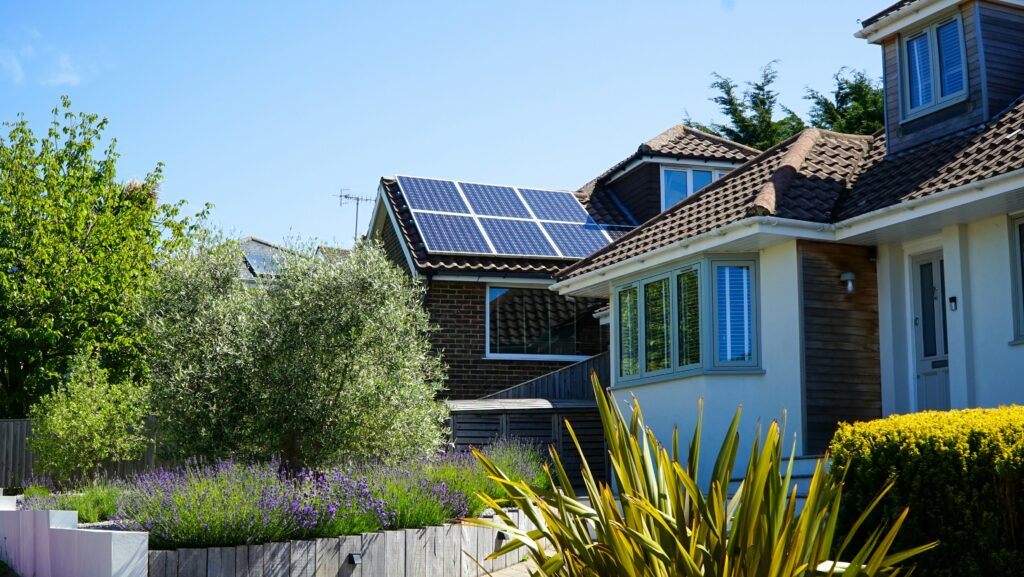
First things first: your roof. Not every setup is solar ready, and ignoring this step leads to wasted time and expensive disappointments. Start by looking at direction. South facing roofs get the most sun in the northern hemisphere, which means optimal output. East and west facing roofs can still work, but you’ll need more panels for the same performance. North facing? Think twice.
Next up space. You want a roof area that’s not cluttered with vents, chimneys, or skylights. A clear, sloped surface of at least 200 400 square feet is ideal for most residential systems. And if your shingles are over 15 years old or the structure is sketchy? Don’t skip a roof inspection. Solar panels are built to last 25+ years you don’t want to install them over a roof that won’t keep up.
Watch for shading. Trees, neighboring houses, even that decorative gable can undercut your solar harvest. Some shading might be manageable with microinverters or panel optimizers, but heavy shadowing kills efficiency.
Lastly, check your electrical panel. Older homes with 100 amp panels may need an upgrade to handle the new load. A licensed electrician can confirm if your current setup has the capacity or if you’ll need to budget for a panel upgrade too. It’s not the fun part, but it’s the foundation. Get it right here and the rest of your solar journey goes a lot smoother.
Step 2: Get a Professional Home Energy Audit
If you’re serious about going solar, don’t skip the home energy audit. It’s not just a box to tick it’s key to making your setup actually worthwhile. Solar panels are a long term investment, and putting them on a house that leaks energy is like pouring clean water into a rusty pipe. You’ll get far more value if your home is already running efficiently.
Start by pinpointing the biggest energy drains. Drafty windows, poor insulation, and outdated appliances can quietly sabotage your savings. A solid energy audit exposes those weak spots fast. Once they’re addressed, your solar system doesn’t have to work as hard, meaning you could size down and save more.
You can go the DIY route if you’re handy and know what you’re looking for basic kits and online walkthroughs make it easier than it used to be. But if energy efficiency isn’t your lane, it’s better to bring in a pro. Certified auditors have tools (like thermal cameras and blower doors) that spot things you’ll miss. And they’ll give you a prioritized to do list so you’re not fixing what doesn’t matter.
Fix first, then install. That’s how you get the best performance from your panels and the fastest return on what you spend.
Step 3: Research Incentives and Permits
Before you spend a dime on panels, lock in your financial perks. The federal solar investment tax credit (ITC) still covers a hefty chunk 30% off your system costs. That can mean thousands back come tax time. Stack that with state and local rebates, plus utility company cash back programs, and you’re looking at real money saved. These incentives vary by zip code, so take the time to dig into what’s available where you live. If you don’t, you’re just leaving money on the table.
Next: permits. You can’t skip them. Most areas require electrical and/or building permits before panels go up. Sounds tedious and it is but neglect the paperwork, and inspectors can halt your project halfway. Worse, installing without proper clearance can void warranties or create problems when selling your home.
Expect delays, especially with overloaded city departments. Some installers handle permits for you. If they don’t, ask. Either way, plan this step early it’s slow, but skipping it will cost you in fines or rework.
In short: incentives and permits seem like side quests, but they’re crucial. Nail them, and you’re setting your solar install up for success, not frustration.
Step 4: Choose the Right Panels and Installer

Before you commit to anything, understanding what you’re buying and who you’re buying it from is crucial. Not all solar panels are created equal, and neither are installation companies.
Types of Solar Panels: What to Know Before You Decide
There are three main types of solar panels commonly used in residential installations:
Monocrystalline: Known for high efficiency and sleek black appearance. These are ideal for roofs with limited space.
Polycrystalline: Slightly less efficient but more affordable. Great if you have plenty of roof space.
Thin Film: Lightweight and flexible, but usually the least efficient. These are more suitable for nontraditional surfaces or specific use cases.
When selecting a panel type, weigh your space, performance expectations, and budget.
Vet the Installer: More Than Just a Quick Google Search
Hiring the right installer impacts your system’s performance, safety, and lifespan. Here are key things to research:
Licensing and certification: Look for NABCEP certified (North American Board of Certified Energy Practitioners) installers.
Insurance coverage: They should carry general liability and worker’s comp.
Reviews and reputation: Don’t just look at the star rating read detailed reviews about communication, timelines, and follow up support.
Experience with your roof type: Different roofing materials and slopes may require special knowledge.
Comparing Quotes: Read Beyond the Dollar Amount
A low priced estimate can be tempting, but details matter. When comparing quotes:
Check component brands: Are they reputable and warrantied?
Scope of work: Does the quote include permitting, inspection, and grid connection?
Performance projections: Does the quote include expected annual output based on your location and shading?
Warranties: Look for product, performance, and labor warranties.
A thorough comparison helps avoid cut corners and surprise costs after installation begins.
Choosing the right combination of equipment and installer sets the tone for a low stress, high value solar investment.
Step 5: System Design and Approval
This is where everything starts taking shape. A custom solar layout is more than just slapping panels on your roof it’s a detailed plan based on your roof’s orientation, your typical energy use, local climate, and any shading from trees or buildings. The installer uses all of this to design a system that maximizes output and fits your home’s structure, aesthetics, and current electrical setup.
Once the layout is ready, it’s sent off for approval. First stop: your local utility company. They’ll want to know how your system will interact with the grid, especially if you plan to feed excess power back. It’s mostly paperwork, but your installer should handle the heavy lifting. At this stage, expect back and forth for technical confirmations or small revisions.
After utility sign off, you’ll need local building permits. Some areas push this fast others drag their feet. All in, getting from proposal to green light can take anywhere from two to eight weeks, depending on how efficient your installer is, how responsive your utility is, and whether your municipality is known for red tape. Good installers streamline this. Bad ones stall out.
The key here: be patient, but stay looped in. Approval is where things often get bogged down, so ask for timeline estimates, follow up, and make sure your installer is keeping the ball moving.
Step 6: Installation Day and Final Inspection
Installation day runs like a tightly choreographed routine at least when you’ve got a solid crew. First, the installers arrive and prep the area. Most jobs start with setting up safety measures like temporary scaffolding, especially for pitched roofs. Then it’s time for mounting: metal racks are drilled and anchored into the roof structure. If you’re using a pitched roof, these racks are carefully aligned to face the optimal direction for sun exposure.
Once the mounts are in, the solar panels go up. Each panel is secured to the racking system, then wired together in series. The crew will then connect the panels to the inverter usually installed near your main electrical panel so that the system can begin converting sunlight into usable energy. Unless there are custom roof challenges, this core install takes one to two days.
Expect some noise power tools, footsteps overhead, and maybe a delivery truck but it’s manageable. Installers might need access to your attic, basement, or wherever your electrical panel is housed, so clear the path ahead of time.
After the install wraps, a local inspector or building official will do a final walk through. They’re checking structural integrity, electrical work, and code compliance nothing fancy, just making sure everything is safe and wired right. A typical inspection takes an hour or two. If your local utility requires its own sign off, that might add a couple more days.
From start to first inspection, the whole process usually spans two to four days. Then it’s just a matter of getting utility approval before flipping the switch. No guesswork just follow the system and let the pros handle the rest.
Step 7: Activation and Ongoing Monitoring
Once your solar panel system is installed and approved, you’re ready for the final step bringing the system online and ensuring it runs smoothly long term.
Powering Up: Activating Your System
Your solar installer will typically handle the activation process. This includes connecting the system to the electrical grid and walking you through the final paperwork. Here’s what to expect:
Final inspection approval from your local permitting authority or utility
Grid connection: the system gets officially tied into your local power grid
System test run: your installer ensures everything is running properly
Once powered up, you’ll start generating solar energy in real time.
Monitor Your Energy Output
Most systems come with monitoring features to help you track energy performance. These tools offer valuable insight into your day to day solar output and overall efficiency.
Common Ways to Monitor:
Mobile or desktop apps from your installer or equipment manufacturer
Energy dashboards that display daily production, historical trends, and weather based insights
Alerts and diagnostics that notify you of performance issues
Keeping an eye on production helps you catch potential problems early and ensures you’re getting the most from your investment.
Minimal Maintenance, Maximum Benefit
While solar panels are durable and low maintenance, regular check ins are still important.
Here’s what to watch for:
Keep panels clean and clear of debris, leaves, and snow
Inspect wiring and mounts annually for wear or damage
Monitor output regularly to identify any dips in performance
Many issues can be handled quickly and some may even be resolved remotely through your monitoring app or by your installer.
Get further detail in this dedicated solar panel installation guide
Common Pitfalls to Avoid
Installing solar panels looks simple on paper. In practice, it’s full of traps people don’t see coming until it’s too late.
First, let’s talk roofs. A lot of homeowners assume a roof is a roof. Not quite. Chimneys, vents, satellite dishes, and weird angles can mess with panel placement or cut into performance. If your roof has complicated features or heavy shading, it doesn’t mean solar is off the table it just means you’ll need smarter design and maybe fewer panels. Skipping a detailed roof assessment is a fast track to bad layout decisions.
Then there’s the temptation to save a few bucks by going with a cheap installer. Don’t. Solar’s a long game. If your system is installed badly or uses subpar parts, you’ll pay for it later in repairs, lower efficiency, or worse voided warranties. Certified installers cost more up front, but they’re bound to industry standards that protect you.
And finally, maintenance. Solar doesn’t need much attention, but it’s not totally set and forget. Panels get dirty. Inverters age. Ignoring your system for years can quietly drain performance. It’s basic stuff an annual checkup, occasional cleaning but it keeps your panels working like day one.
Skip these pitfalls, and you’ll avoid a lot of regret down the line.
Payoff Timeline and What to Expect
Let’s cut to the chase: solar isn’t cheap upfront, but the long term math usually checks out. The break even point when your energy savings offset your installation costs varies by region. Sun soaked states like Arizona, California, or Florida often hit break even in 6 to 8 years. In cloudier spots like the Pacific Northwest or Northeast, plan for 9 to 12 years. Still, with the current federal tax credit and rising utility rates, the gap is narrowing fast.
Solar also boosts your home’s resale value. Multiple studies show homes with solar sell faster and for more money. But it’s not just about the price tag buyers are increasingly valuing energy independence. Not relying on the grid during blackouts or rate hikes? That’s real leverage.
Most solar systems last 25 years or more with minimal maintenance. After break even, all those years of nearly free power make a serious dent in your lifetime energy costs. Plus, every kilowatt you generate is one you didn’t pull from fossil fuels. The environmental upside? Quietly massive.
Bottom line: it pays off financially, functionally, and ethically. Just don’t expect it overnight.
 Michael Fletcheroads is the kind of writer who genuinely cannot publish something without checking it twice. Maybe three times. They came to sustainable home practices through years of hands-on work rather than theory, which means the things they writes about — Sustainable Home Practices, Gardening and Landscaping Tips, DIY Project Tips, among other areas — are things they has actually tested, questioned, and revised opinions on more than once.
That shows in the work. Michael's pieces tend to go a level deeper than most. Not in a way that becomes unreadable, but in a way that makes you realize you'd been missing something important. They has a habit of finding the detail that everybody else glosses over and making it the center of the story — which sounds simple, but takes a rare combination of curiosity and patience to pull off consistently. The writing never feels rushed. It feels like someone who sat with the subject long enough to actually understand it.
Outside of specific topics, what Michael cares about most is whether the reader walks away with something useful. Not impressed. Not entertained. Useful. That's a harder bar to clear than it sounds, and they clears it more often than not — which is why readers tend to remember Michael's articles long after they've forgotten the headline.
Michael Fletcheroads is the kind of writer who genuinely cannot publish something without checking it twice. Maybe three times. They came to sustainable home practices through years of hands-on work rather than theory, which means the things they writes about — Sustainable Home Practices, Gardening and Landscaping Tips, DIY Project Tips, among other areas — are things they has actually tested, questioned, and revised opinions on more than once.
That shows in the work. Michael's pieces tend to go a level deeper than most. Not in a way that becomes unreadable, but in a way that makes you realize you'd been missing something important. They has a habit of finding the detail that everybody else glosses over and making it the center of the story — which sounds simple, but takes a rare combination of curiosity and patience to pull off consistently. The writing never feels rushed. It feels like someone who sat with the subject long enough to actually understand it.
Outside of specific topics, what Michael cares about most is whether the reader walks away with something useful. Not impressed. Not entertained. Useful. That's a harder bar to clear than it sounds, and they clears it more often than not — which is why readers tend to remember Michael's articles long after they've forgotten the headline.