What Makes a Garden “Pollinator Friendly”
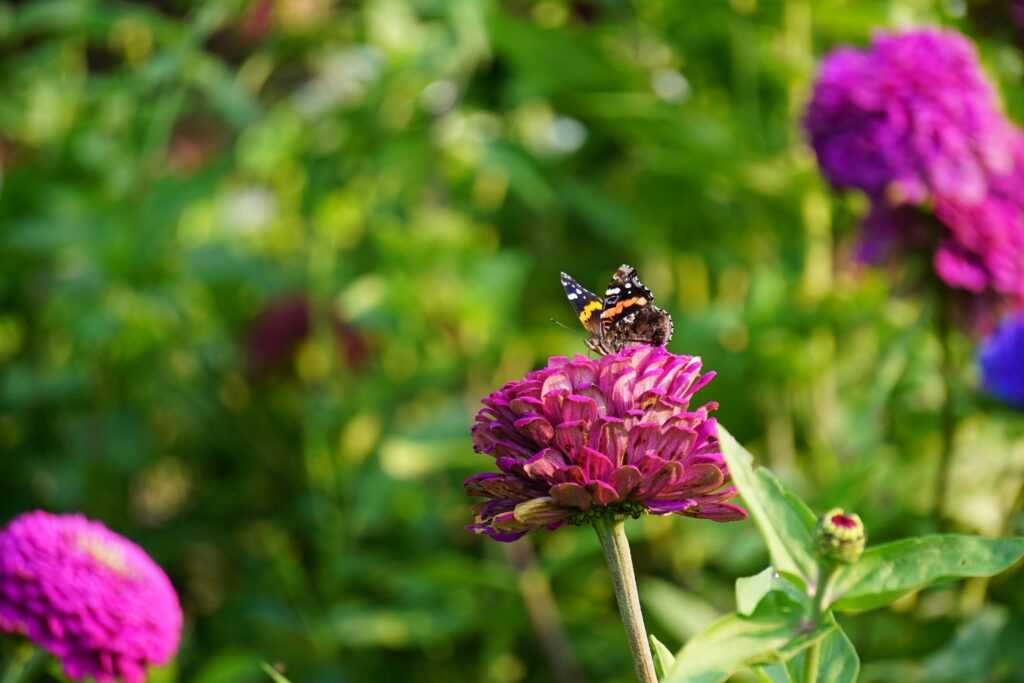
Creating a pollinator friendly garden isn’t just about planting pretty flowers it’s about designing a space where essential wildlife can thrive. From bees and butterflies to hummingbirds and beetles, pollinators need specific conditions to survive and do their vital ecological work.
The Essentials Pollinators Look For
Pollinators are drawn to gardens that provide the resources they need throughout the season. These core elements are crucial:
Native Plants: Local species are better adapted to your climate and attract native pollinators. They also require less care than exotic plants.
Continuous Blooms: Aim for a mix of plants that flower from early spring through late fall to ensure a steady food source.
Shelter and Nesting Areas: Include natural features like brush piles, dead wood, and bare soil for nesting, as well as dense plantings to offer protection.
Why Pollinators Matter More Than Ever
Pollinators are in decline, yet they play a vital role in over 75% of flowering plants and crop production worldwide. Supporting them in our own backyards urban or rural can make a measurable impact.
Bees and butterflies help ensure food diversity and global food security
Birds and beneficial insects also serve as natural pest control
Small scale gardens can form a network of habitat patches across neighborhoods
Big Impact, Even in Small Spaces
Even if you only have a balcony or modest yard, your garden can support local ecosystems. By planting even a few high value species and avoiding pesticides, you turn your space into a helpful stopover for pollinators.
Balcony gardens with planters or window boxes still offer nectar and habitat
Container gardens let you easily rotate blooming plants through the season
Urban pollinator pockets add much needed biodiversity to cities
With the right approach, any space can contribute to ecological resilience low maintenance, high impact.
Smart Plant Choices That Do the Work for You
Creating a pollinator garden doesn’t mean endless upkeep. The secret lies in choosing the right plants from the start those that attract pollinators while keeping your workload low.
Choose Native Perennials Over Fussy Annuals
Native perennials are adapted to your local climate and soil conditions. This means:
Less watering and fertilizing
More resilience to local pests and diseases
Better recognition and use by local pollinators
Annuals, while colorful, often require more watering, fertilizing, and seasonal replanting. They can add beauty, but shouldn’t be the foundation of your garden.
Low Maintenance Pollinator Favorites
Not all native plants are created equal when it comes to ease and impact. Here are some tried and true, low maintenance varieties that pollinators love:
Purple Coneflower (Echinacea purpurea): Drought resistant and attractive to bees, butterflies, and even birds in fall
Black eyed Susan (Rudbeckia hirta): Hardy and blooms for weeks, a magnet for bees and butterflies
Milkweed (Asclepias spp.): Critical for monarchs and resilient in poor soils
These plants thrive with minimal care, often reseed naturally, and return year after year with little intervention.
Plan for Continuous Bloom (Spring Fall)
Pollinators need support from early spring through late fall. Designing your garden with bloom succession in mind ensures they have a reliable food source across the seasons.
Early bloomers: Wild columbine, Penstemon
Mid season: Bee balm, Coreopsis
Late bloomers: Goldenrod, Asters
By mixing bloom times, you support a wider range of pollinators and keep your garden looking vibrant for months.
With the right plant choices, your garden can be beautiful, beneficial, and blissfully hands off.
Design Tips to Keep Maintenance Low

Start by grouping plants with similar water and sun needs. It sounds obvious, but too many gardens fall apart because drought tolerant and moisture loving plants end up side by side. Matching conditions means fewer stressed plants and less work for you.
Dense planting is your best defense against weeds. Tightly spaced flowers and foliage block sunlight from hitting bare soil, which helps suppress weed growth naturally. It also locks in moisture and keeps the soil cooler through heat spells.
Add an organic mulch layer wood chips, shredded leaves, or even pine needles to help regulate moisture, cut down on watering, and minimize weeding. Bonus: it feeds your soil as it breaks down.
And don’t stress about perfect symmetry. Pollinator gardens thrive on a looser, more natural layout. Think meadows, not manicured lawns. Focus on creating pockets of blooms and texture instead of rigid rows.
Watering, Weeding, and Other Simple Maintenance
How to Set Up a No Fuss Watering Plan
Once your native plants are established, they don’t need much from you. That’s the whole point. In the first few weeks after planting, give them regular, deep watering once or twice a week depending on weather. After that, most native perennials can ride out local rainfall. If you’re in a drier climate, a simple soaker hose on a timer will save time and guesswork. Water early in the morning, and let the soil not the calendar tell you when it’s time to turn the hose back on.
Managing Weeds Without Chemicals
Dense planting does the heavy lifting here. When your garden beds are fully stocked with mature plants, weed seeds have less space and sunlight to get started. Layering in mulch (about two inches deep) helps even more organic mulch like shredded leaves or bark breaks down slowly, feeding the soil while keeping weed pressure down. Still find stragglers? Hand pulling every week or two takes care of most problems before they spread.
Seasonal Tasks: What to Do and What to Leave Alone
In spring, cut back dead stems only after you see new growth. Leaving them longer helps shelter overwintering pollinators. Summer mostly takes care of itself monitor for signs of drought stress, but otherwise let things be. In fall, resist the itch to tidy up. Leaving stalks standing provides habitat, and seedheads offer food to birds. By winter, your job is basically observation and planning.
Low maintenance gardens don’t mean no maintenance but smart design keeps the workload light and the payoff high.
Avoid These Common Mistakes
When you’re building a pollinator garden, it’s easy to get tripped up by choices that look good on paper but hurt in practice. Here are three big ones to steer clear of:
First up: using non native or invasive plants. Just because something’s on sale at the garden center doesn’t mean it belongs in your yard. Non natives often don’t support local insects, and invasive plants can crowd out the good stuff you actually want growing. Stick with native species whenever possible they’ve evolved alongside local pollinators and tend to be hardier anyway.
Next, don’t overcomplicate your layout. Complexity might look flashy on a Pinterest board, but it usually means more work to maintain and pollinators actually prefer simple, natural groupings. Think clusters of three to five of the same plant, grouped by water and sunlight needs. Let the layout breathe and stay functional.
Last and it’s a big one don’t forget about host plants. Pollinators like butterflies aren’t just looking for nectar; they need places to lay eggs and feed caterpillars. Milkweed, for example, is critical for monarchs. So yes, a cozy garden for adult pollinators is great but if you ignore the next generation, the ecosystem falls apart.
Avoid these missteps, and your garden won’t just look good it’ll work hard with minimal input from you.
If you’re ready to turn ideas into action, our full pollinator garden guide lays it all out. From sample planting plans to deeper dives on native species and seasonal care, it’s your go to resource for building a thriving, low maintenance habitat. Whether you’re working with a yard, a patio, or just a sunny corner, the guide helps you work smarter not harder. Check it out here: pollinator garden guide.
Your Garden, Less Work and More Buzz
A smart pollinator garden doesn’t need constant tending it’s built to thrive on its own. Once you’ve got the right mix of native plants, grouped and placed well, nature takes over. Bees, butterflies, and birds will do their thing, and you’ll spend less time fussing over watering, weeding, or swapping out plants every season.
The best part? You don’t need a sprawling backyard. A balcony box, a raised bed, or even a few containers on a stoop can support pollinators if planted right. Small spaces make a difference, especially in urban areas where food and habitat are scarce for beneficial insects.
Want more guidance on plant choices and layout tips? Head to our full pollinator garden guide.
 Michael Fletcheroads is the kind of writer who genuinely cannot publish something without checking it twice. Maybe three times. They came to sustainable home practices through years of hands-on work rather than theory, which means the things they writes about — Sustainable Home Practices, Gardening and Landscaping Tips, DIY Project Tips, among other areas — are things they has actually tested, questioned, and revised opinions on more than once.
That shows in the work. Michael's pieces tend to go a level deeper than most. Not in a way that becomes unreadable, but in a way that makes you realize you'd been missing something important. They has a habit of finding the detail that everybody else glosses over and making it the center of the story — which sounds simple, but takes a rare combination of curiosity and patience to pull off consistently. The writing never feels rushed. It feels like someone who sat with the subject long enough to actually understand it.
Outside of specific topics, what Michael cares about most is whether the reader walks away with something useful. Not impressed. Not entertained. Useful. That's a harder bar to clear than it sounds, and they clears it more often than not — which is why readers tend to remember Michael's articles long after they've forgotten the headline.
Michael Fletcheroads is the kind of writer who genuinely cannot publish something without checking it twice. Maybe three times. They came to sustainable home practices through years of hands-on work rather than theory, which means the things they writes about — Sustainable Home Practices, Gardening and Landscaping Tips, DIY Project Tips, among other areas — are things they has actually tested, questioned, and revised opinions on more than once.
That shows in the work. Michael's pieces tend to go a level deeper than most. Not in a way that becomes unreadable, but in a way that makes you realize you'd been missing something important. They has a habit of finding the detail that everybody else glosses over and making it the center of the story — which sounds simple, but takes a rare combination of curiosity and patience to pull off consistently. The writing never feels rushed. It feels like someone who sat with the subject long enough to actually understand it.
Outside of specific topics, what Michael cares about most is whether the reader walks away with something useful. Not impressed. Not entertained. Useful. That's a harder bar to clear than it sounds, and they clears it more often than not — which is why readers tend to remember Michael's articles long after they've forgotten the headline.