
Start with Function First
Scandinavian design begins with one central idea: everything must serve a purpose. Visual simplicity is important, but practicality is the backbone of the style. To bring this ethos into your space, look beyond the surface when selecting furniture and decor.
Prioritize Practicality
Choose pieces that support daily life without overwhelming the room
Seek out streamlined designs that blend into the overall flow of your space
Consider storage and multi use capabilities to reduce clutter naturally
Form Meets Function
Scandinavian pieces often combine clean lines with intelligent engineering. Look for:
Benches with hidden storage
Convertible tables or sofas
Minimalist shelving that doubles as decor
These subtle choices help maintain the sleek feel of Scandinavian homes while ensuring every item earns its place.
Purposeful Minimalism
Minimalism doesn’t mean bare or cold. It means intentional curation:
Avoid excess items that don’t contribute to daily comfort or function
Allow your space to breathe leave negative space as part of the design
Choose fewer, more meaningful pieces that last longer and offer versatility
By grounding each room in practicality, you lay a strong (and stylish) foundation for the warm, lived in Scandinavian look.
Light As Your Foundation
In Scandinavian interiors, light isn’t a finishing touch it’s the base layer. Natural light is treated like a core material, just as important as wood or wool. Windows are left as open as possible. That means no heavy drapes and often no curtains at all. If privacy matters, sheer linen panels soften daylight without blocking it.
As the sun shifts, so should your lighting. Layer in wall sconces, floor lamps, and simple pendant lights to keep your space glowing from morning till midnight. Avoid overhead glare Scandi lighting is more about ambiance than brightness. The goal is simple: make even cloudy days feel warm. Lighting, done right, becomes another texture in the room.
Embrace Neutral Tones But Add Cozy Layers
Scandinavian design starts with a calm base whites, soft greys, and light wood tones lay the foundation for a clean, quiet space. But neutral doesn’t have to mean cold. The key is layering. Texture brings warmth without adding clutter. Think wool throws tossed over the corner of a simple sofa. A sheepskin rug softening hardwood floors. Woven baskets that double as storage and softness.
This is where Scandinavian minimalism bends toward comfort. Forget sterile. Hygge wins. The goal is a space that feels lived in, but curated. Clean, but not clinical. Bring in touches that make you want to stay a while soft lighting, tactile accents, and natural elements that add dimension without visual noise. Less stuff, more substance. That’s the sweet spot.
Add Life With Warm Materials and Greenery
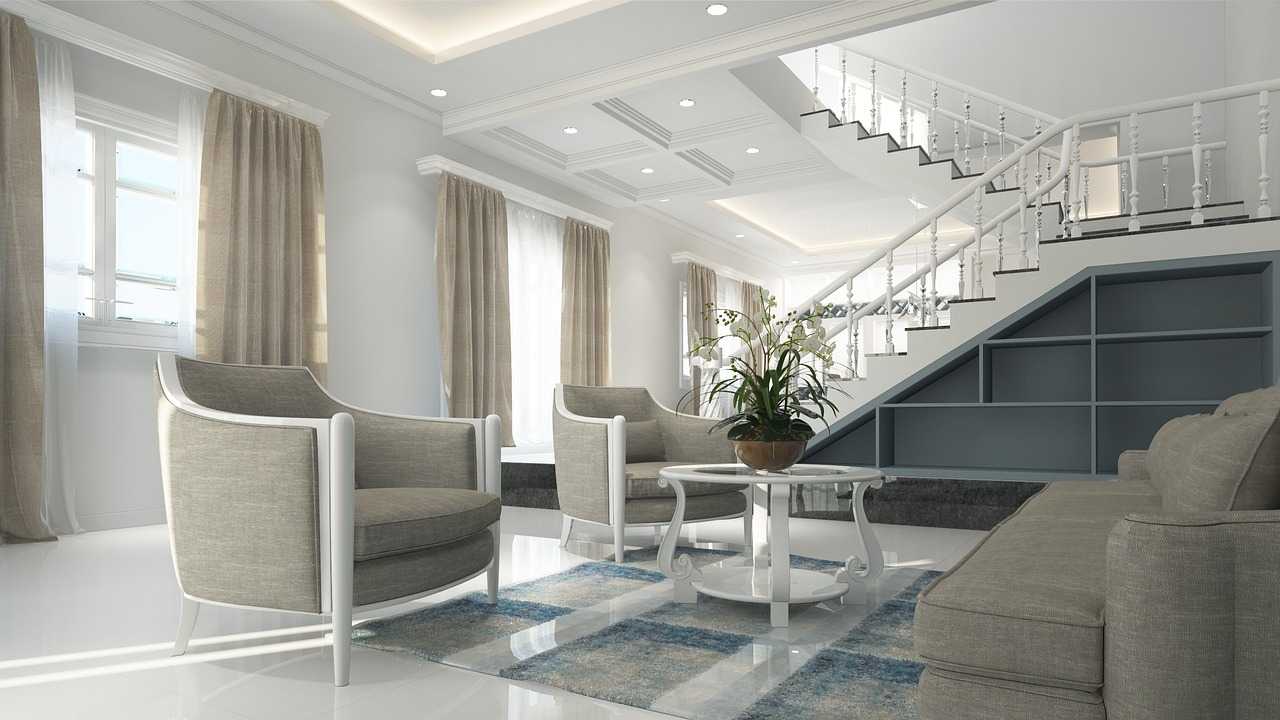
Scandinavian interiors can lean crisp, even cold, if you’re not careful. That’s where raw, organic touches come in. Think unfinished oak tabletops, exposed pine shelving, a worn leather armchair pieces that ground a space in something real. These materials add tactility and warmth without shouting for attention.
Then bring in green literally. Houseplants, tall branches in a simple vase, maybe even a trailing vine along a bookshelf. Plants soften the structure of the room while adding movement and mood. Bonus: they improve the air and the vibe.
Balance it all by pairing matte textured ceramics with natural fiber accents. A coarse linen runner next to a smooth clay bowl. A jute rug under a birch bench. It’s the combination of these humble, lived in elements that delivers that unmistakable warm Scandinavian feel clean, but never sterile.
Use Fewer, Better Accessories
In Scandinavian design, less isn’t just more it’s mandatory. This isn’t about empty shelves or bare walls; it’s about giving space to what truly matters. Trade fast decor for pieces with story. Think: a ceramic bowl passed down from your grandmother, or a wool tapestry you picked up on travels. If it’s mass produced and means nothing to you, let it go.
Handmade items, vintage finds, or well crafted staples earn their place. Identify what speaks to you, then edit around it. The goal isn’t perfection it’s intention. Declutter until what remains feels purposeful. A single candle. A stack of worn books. A woven basket with real function.
Clean doesn’t mean cold. With the right restraint, your space can whisper volumes.
Focus on Your Living Room First
The living room sets the tone for the entire home. It’s where you relax, connect, and unwind so it makes sense to start there when introducing Scandinavian design. Keep the layout open and functional. Arrange your seating to promote conversation, not just point at a screen.
Use soft rugs underfoot and add pillows in natural fabrics to take the edge off clean lines. This keeps the space from feeling too stark or cold. It’s also where you can bring in subtle texture wool throws, woven stools, or a reclaimed wood coffee table all go a long way.
You don’t have to overhaul everything. A few focused changes can shift the whole vibe. For more inspiration, dive into these living room makeover ideas.
Keep It Evolving
Warm Scandinavian design works because it doesn’t lock you in it leaves room for your life to unfold. It’s not about picture perfect stillness. It’s about layers that shift with the seasons and reflect how you actually live. As the weather changes, let your interiors change with it. Think lightweight linen covers in summer, heavier woven blankets in winter. Pine boughs in December, dried blooms in June. This is what keeps the style from going stale.
The color palette stays grounded soft whites, gentle greys, muted clay but that doesn’t mean you can’t push the edges. Replace a cushion or two. Add an accent wall. Try a new shape of lamp. What works in summer light might feel off in autumn. That freedom to adapt to quietly update your space without overhauling it keeps things intentionally fresh.
And here’s the real rule: simplicity isn’t about having less just for the sake of it. It’s about editing ruthlessly so what remains earns its place. Your space doesn’t need to be a showroom. It needs to breathe, be practical, and feel like you. That takes checking in now and then. Remove what’s not working. Keep the space lived in, a little imperfect, but always honest.
 Michael Fletcheroads is the kind of writer who genuinely cannot publish something without checking it twice. Maybe three times. They came to sustainable home practices through years of hands-on work rather than theory, which means the things they writes about — Sustainable Home Practices, Gardening and Landscaping Tips, DIY Project Tips, among other areas — are things they has actually tested, questioned, and revised opinions on more than once.
That shows in the work. Michael's pieces tend to go a level deeper than most. Not in a way that becomes unreadable, but in a way that makes you realize you'd been missing something important. They has a habit of finding the detail that everybody else glosses over and making it the center of the story — which sounds simple, but takes a rare combination of curiosity and patience to pull off consistently. The writing never feels rushed. It feels like someone who sat with the subject long enough to actually understand it.
Outside of specific topics, what Michael cares about most is whether the reader walks away with something useful. Not impressed. Not entertained. Useful. That's a harder bar to clear than it sounds, and they clears it more often than not — which is why readers tend to remember Michael's articles long after they've forgotten the headline.
Michael Fletcheroads is the kind of writer who genuinely cannot publish something without checking it twice. Maybe three times. They came to sustainable home practices through years of hands-on work rather than theory, which means the things they writes about — Sustainable Home Practices, Gardening and Landscaping Tips, DIY Project Tips, among other areas — are things they has actually tested, questioned, and revised opinions on more than once.
That shows in the work. Michael's pieces tend to go a level deeper than most. Not in a way that becomes unreadable, but in a way that makes you realize you'd been missing something important. They has a habit of finding the detail that everybody else glosses over and making it the center of the story — which sounds simple, but takes a rare combination of curiosity and patience to pull off consistently. The writing never feels rushed. It feels like someone who sat with the subject long enough to actually understand it.
Outside of specific topics, what Michael cares about most is whether the reader walks away with something useful. Not impressed. Not entertained. Useful. That's a harder bar to clear than it sounds, and they clears it more often than not — which is why readers tend to remember Michael's articles long after they've forgotten the headline.