

Set Your Blueprint
Before swinging a hammer or picking out paint, take a step back. Every solid renovation starts with a full home assessment. Walk through each room with an honest eye. What’s worn down? What’s just outdated? Where are you actually spending your time? This is where function meets reality.
Next, prioritize. Not every room needs attention right away. Focus first on the spaces that see heavy use or have structural issues you can’t ignore. Your budget should follow impact: fixing the roof takes precedence over buying new throw pillows. The same goes for safety upgrades. If a room doesn’t serve you or reflect how you live, it goes higher on the list.
From there, lock in your scope. Are you going for a cosmetic refresh paint, fixtures, furniture? Or is this a gut job? Be clear here. It will drive your timeline, budget, and level of disruption. Cosmetic updates can often be DIY; structural work usually calls for pros.
Also: permits. If it sounds serious, it probably needs one. Cutting corners here can cost you down the road delays, fines, or trouble with resale. Check local codes, ask questions, don’t assume.
Start smart. A strong blueprint keeps the entire renovation process focused and functional.
Kitchen: Where Form Meets Fuel
Start by squeezing the most function out of your layout. Maximize storage with smart solutions think deep drawers, pull out racks, built in dividers, and overhead cabinets that stretch to the ceiling. But don’t let storage choke the space. A good kitchen isn’t just about what you can fit in it it’s about how easily you can move through it. Keep traffic flow open, especially between the sink, stove, and fridge. That triangle still matters.
Lighting is where design meets utility. You’ll want a mix: task lighting under cabinets for prep work, ambient light from the ceiling to soften shadows, and accent lights to bring life to features like backsplashes or open shelving. Don’t settle for harsh overheads that leave corners in the dark.
Upgrading appliances? Choose models that shave down energy bills without sacrificing performance. Energy efficient doesn’t mean boring anymore many of today’s options are sleek, smart, and tailored for small or high use spaces. Prioritize function and long term savings over flashy extras you won’t use.
Want to go deeper into optimizing your kitchen’s layout? Check out this Open vs Traditional Layouts comparison.
Living Room: Blend Comfort with Flexibility
Your living room is no longer just for lounging it also serves as a workspace, entertainment hub, and social zone. Designing it with flexibility in mind is essential to make the most of this multi functional area.
Choose a Layout That Fits Your Life
Before moving furniture or tearing down walls, think about how you actually use the space day to day. Design choices should reflect practical needs as much as aesthetic preferences.
Prefer to host? Opt for open seating and conversational arrangements.
Need work from home space? factor in zones that allow for occasional productivity.
Have small kids or pets? Consider safety and easy clean materials when organizing the layout.
Power Up for Multi Use Living
Modern living rooms often double as media centers, remote offices, and charging zones. A thoughtful approach to power access can make a big difference.
Centralize outlets near high traffic areas or anchor points (behind the couch, under the TV, near coffee tables).
Add USB or wireless charging stations to make the space tech ready.
Plan ahead with furniture placement to avoid excess cords or awkward rearrangements.
Built ins and Smart Tech Upgrades
Smart design blends functionality into the background while enhancing your experience.
Built in shelving saves floor space while adding storage and visual interest.
Integrated lighting systems can adapt the mood with a voice command or preset schedule.
Smart TVs, thermostats, and speakers create a connected environment with minimal clutter.
Tip: When integrating technology, conceal wires and plan for easy upgrades in the future. A sleek living room is both stylish and serviceable.
Bathroom: Small Space, Big Return
The bathroom might be compact, but its impact on your home’s value is outsized. First rule? Waterproofing isn’t optional. Moisture creeps in fast and repairs aren’t cheap do it right the first time. Use quality membranes, sealants, and proper slope drainage. Get a pro if needed. Cutting corners here costs more later.
Next up: fixtures. Swapping out an outdated faucet or a crusty old toilet instantly moves the space into the present. Don’t overthink it matte black, brushed brass, modern shapes. Crisp, clean, done.
Want to push it further? Consider a walk in shower with frameless glass or dual vanities if you’ve got the square footage. They add both convenience and solid resale value. A bathroom reno isn’t just vanity it’s leverage.
Bedroom: Personalize Without Clutter
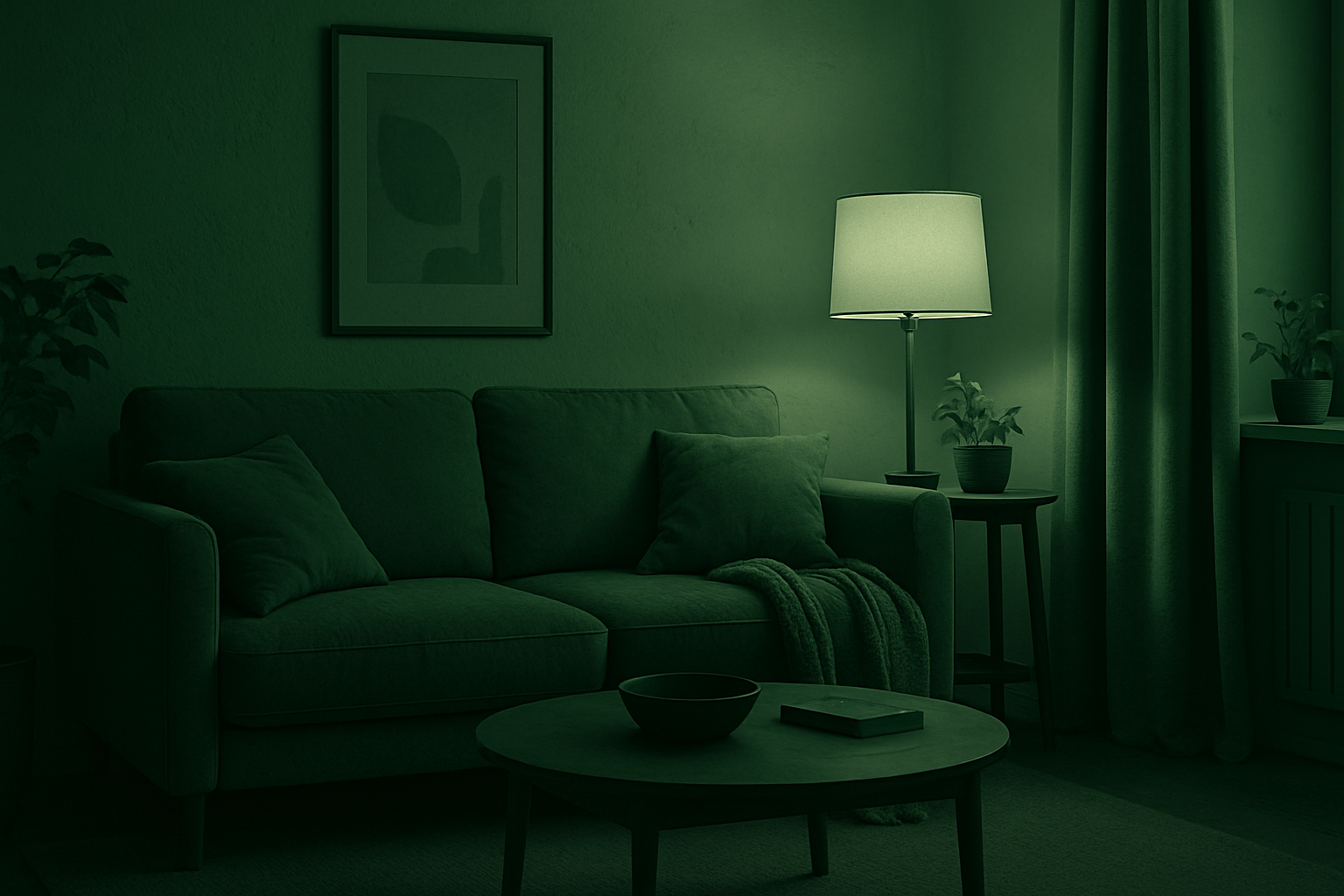
The bedroom should hit reset mode the moment you step in. Start with lighting aim for calm, not clinical. Dimmers, warm bulbs, and blackout curtains make a real difference. Soundproofing doesn’t need to be extreme, but small steps matter. Area rugs help. So do solid core doors. Your sleep and sanity will thank you.
Storage defines the room’s feel. Closets aren’t just about cramming things out of sight. Built ins give clean lines and efficiency. Sliding door systems free up swing space, especially valuable in tighter rooms. Modular inserts let you adapt as your storage needs shift no hammer required.
When budget’s tight, paint and fabrics carry weight. Swap cold tones for warm, or pick a single bold wall to ground the space. New bedding, curtains, or even just a fresh upholstered bench by the window can reboot the whole mood. Big style doesn’t have to mean big spend.
Bonus Rooms: Make Every Square Foot Count
Bonus rooms are blank slates potential offices, gyms, guest suites, or some hybrid of all three. The key is designing with intent. Start by picking a primary function. Do you need a quiet work zone? A space to break a sweat? A comfy place for guests to crash? Shape everything around that purpose.
Multi use furniture is your best friend here. Think sleeper sofas, fold down desks, and storage benches. These pieces flex with your needs and save space without sacrificing utility.
Don’t skimp on airflow or lighting. A stuffy guest room feels like a closet. Poor ventilation makes workouts a drag. Ideally, crackable windows, ceiling fans, and adjustable LED lighting help you shift the mood as needed. Make it bright for work, soft for sleep, and open enough to breathe easy.
This room has to do more and do it well. So build smart, not just pretty.
Layout Considerations Across the Board
Before you move a single wall or even think about it understand the natural flow throughout your space. Good layout choices support day to day living: how you move from room to room, where you pause, where you need privacy, and where openness works. Tearing down walls for a big open space can feel right, but sometimes that comes at the cost of acoustic control or room purpose. Bedrooms and workspaces usually demand separation. Kitchens and living areas might benefit from openness. Resist making layout changes that just follow a trend. Make sure they fit your actual lifestyle.
Then there’s flooring. Sudden shifts in texture or height between rooms can make a space feel chopped up. Seamless transitions whether you’re using the same material throughout or coordinating different ones help the entire home feel intentional and connected. Pay attention to thresholds, direction of planks, tile edge trims. These quiet details carry more visual weight than people realize.
Curious whether you should go with an open concept or keep things traditional? There’s no single answer. But there’s a solid breakdown here: Open vs Traditional Layouts.
Final Checks Before You Call It Done
You’re near the finish line, but don’t drop the ball now. Walk through each room with a punch list in hand. Test doors, drawers, and switches. Look for scuffs, drips, or anything that doesn’t sit right. Small issues compound fast better to spot them now while tools are still around.
Next, get organized. Keep all warranties, manuals, and receipts in one central place. A labeled folder works fine. You’ll thank yourself when a faucet leaks two months in, and you don’t have to dig through boxes or emails to track down model numbers.
Lastly, plan ahead. Leave physical and mental room for updates down the line. Maybe the guest room becomes a nursery. Maybe smart home tech evolves in six months. Renovation isn’t a static finish it’s a living process. Build with some stretch so your space can grow when you need it to.
 Michael Fletcheroads is the kind of writer who genuinely cannot publish something without checking it twice. Maybe three times. They came to sustainable home practices through years of hands-on work rather than theory, which means the things they writes about — Sustainable Home Practices, Gardening and Landscaping Tips, DIY Project Tips, among other areas — are things they has actually tested, questioned, and revised opinions on more than once.
That shows in the work. Michael's pieces tend to go a level deeper than most. Not in a way that becomes unreadable, but in a way that makes you realize you'd been missing something important. They has a habit of finding the detail that everybody else glosses over and making it the center of the story — which sounds simple, but takes a rare combination of curiosity and patience to pull off consistently. The writing never feels rushed. It feels like someone who sat with the subject long enough to actually understand it.
Outside of specific topics, what Michael cares about most is whether the reader walks away with something useful. Not impressed. Not entertained. Useful. That's a harder bar to clear than it sounds, and they clears it more often than not — which is why readers tend to remember Michael's articles long after they've forgotten the headline.
Michael Fletcheroads is the kind of writer who genuinely cannot publish something without checking it twice. Maybe three times. They came to sustainable home practices through years of hands-on work rather than theory, which means the things they writes about — Sustainable Home Practices, Gardening and Landscaping Tips, DIY Project Tips, among other areas — are things they has actually tested, questioned, and revised opinions on more than once.
That shows in the work. Michael's pieces tend to go a level deeper than most. Not in a way that becomes unreadable, but in a way that makes you realize you'd been missing something important. They has a habit of finding the detail that everybody else glosses over and making it the center of the story — which sounds simple, but takes a rare combination of curiosity and patience to pull off consistently. The writing never feels rushed. It feels like someone who sat with the subject long enough to actually understand it.
Outside of specific topics, what Michael cares about most is whether the reader walks away with something useful. Not impressed. Not entertained. Useful. That's a harder bar to clear than it sounds, and they clears it more often than not — which is why readers tend to remember Michael's articles long after they've forgotten the headline.