
Know What You’re Working With
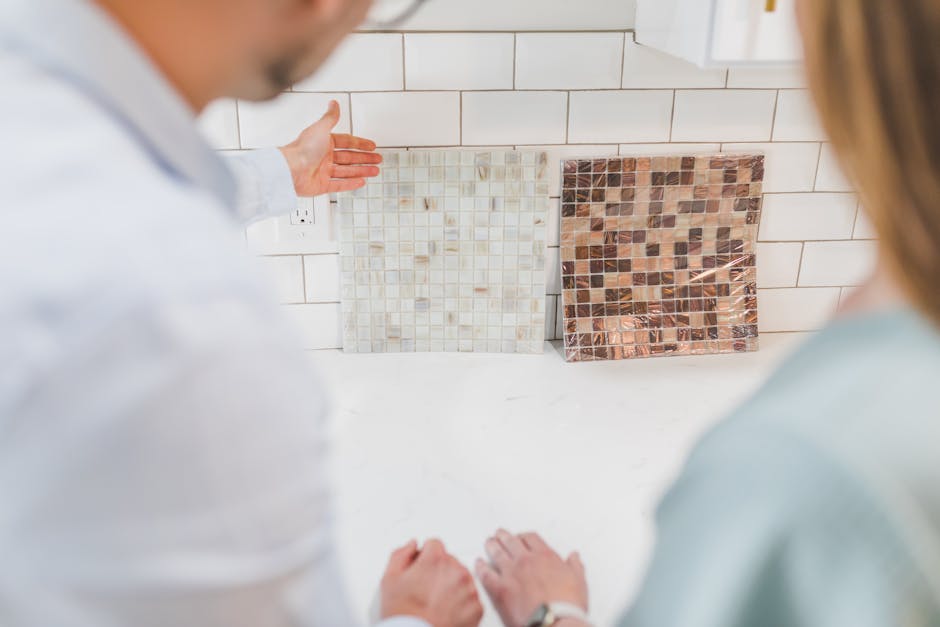
Before you swing a hammer or pull down drywall, stop and ask: what exactly am I about to mess with? Knowing the scope of your project isn’t just smart it’s non negotiable. Whether you’re swapping light fixtures or tearing out a wall, take ten minutes (or an hour) to map out the full job. That means materials, time, tools, and possible complications.
Next, figure out what’s hiding behind your surfaces. Is that wall holding up your second floor? Is there wiring back there? Plumbing? Structural, electrical, and plumbing elements aren’t the kind of things you want to discover halfway through a demo. A stud finder, circuit tester, and a good flashlight go a long way. So does a grain of humility.
And if you’re guessing more than you’re sure pause. Know when it’s time to hit the forums and videos for solid DIY knowledge, and when it’s time to call in a pro. There’s no shame in outsourcing the risky stuff. Better to spend a bit now than redo half your house or worse, end up in the ER.
Gear Up: Protective Equipment Is Non Negotiable
Before you pick up a power tool or crack open a can of paint, suit up. At minimum, that means gloves to protect your hands, goggles to shield your eyes from debris and splinters, ear protection if you’re using anything loud, and a proper mask especially for sanding, painting, or working in dusty spaces. This isn’t overkill. It’s baseline safety.
As for clothing, skip anything loose or baggy. Dangling sleeves and oversized shirts can catch in gears or get snagged on hardware. Stick to fitted clothes that still allow a full range of movement. Closed toe, non slip shoes are a must. No flip flops, no exceptions.
Safety gear won’t help you if it’s busted. Make a habit of checking everything before use. Cracked goggles? Replace them. Mask filters clogged? Swap them out. Keep gloves clean and dry. Store hearing protection where it stays clean and works properly. Make maintenance part of your routine, because second hand gear doesn’t save first rate injuries.
Master Your Tools Before You Use Them
Assuming you know how a tool works just because you’ve seen it on YouTube is how injuries happen. Manuals exist for a reason use them. Even experienced DIY’ers make mistakes when they skip the basics, and those mistakes can cost you more than time.
Treat every new tool like it matters, because it does. Learn how to power it up, shut it down, and store it safely. Misusing or mishandling tools not only risks damage to your gear but more importantly, to yourself. A dull blade, a loose drill bit, or an over amped motor can wreck your weekend build and your hand.
Your first line of defense? Get the right gear from the start. Check out this essential list of tools every DIY’er needs. Don’t just buy the flashiest option buy what fits your project and your skill level.
Bottom line: Know what you’re holding before you flip the switch.
Prep Your Work Area
Before you even plug something in, clear the space. Tools don’t mix well with clutter. A clean, dry area isn’t just about being tidy it’s your first layer of protection against slips, trips, and surprise shocks. Water and electricity? Never friends. Wet sawdust tracked through your space? That’s how ankles get twisted.
Lighting matters too. Whether you’re cutting a plank or reading a label, working in poor light triples your chances of messing up sometimes in painful, expensive ways. Get a good overhead light or set up work lights that eliminate shadows.
Don’t ignore the basics: secure your cords so you’re not making tripwires. Ladders should be locked and stable before climbing, not balanced on a hope and some plywood. Surfaces where you’re cutting, drilling, or sanding? Lock ’em down. Wobbly setups lead to accidents. Take five minutes to prep. You’ll save yourself an hour or a trip to urgent care.
Electrical Safety Basics
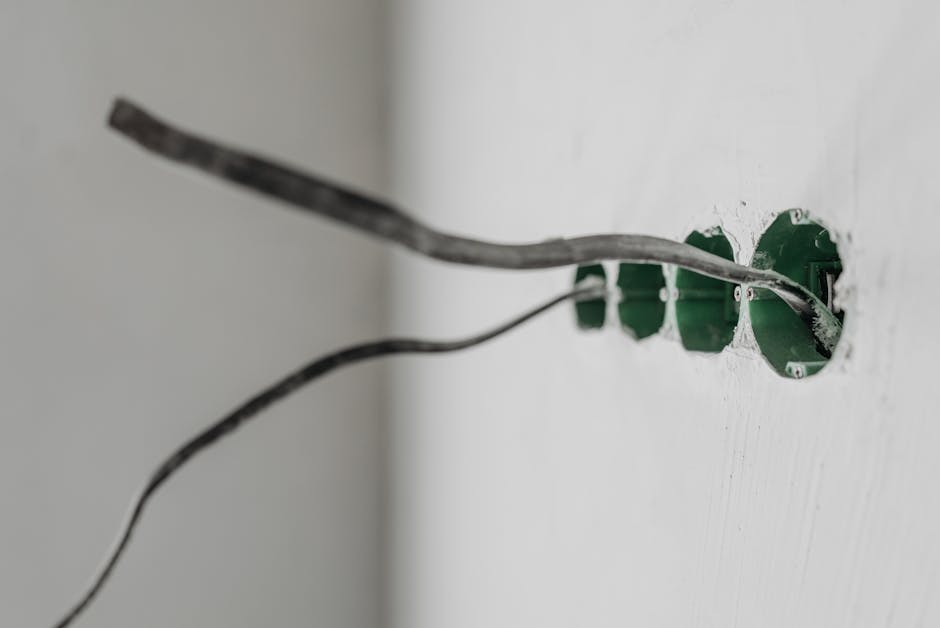
Before you touch a single wire, make sure you understand the risks involved with DIY electrical work. Electricity is not forgiving mistakes can cause serious injury or property damage. Approach every task with caution and clear procedures.
Always Cut the Power
Turn off the power at the circuit breaker before doing any electrical task, even changing a light fixture.
Label the breaker clearly to avoid other household members turning it back on by accident.
Use a non contact voltage tester to confirm the power is really off before starting work.
Know Your Circuit Breaker
Understand which breakers control which parts of your home.
If you’re unsure about a breaker box layout, map it out or hire an electrician to label everything accurately.
Before touching any outlets or wires, test them with a suitable voltage meter to confirm they’re not live.
Use the Right Tools and Use Them Safely
Only use tools with insulated handles to protect yourself from accidental shocks.
Inspect tools before use cracked insulation or worn out handles should be replaced immediately.
Avoid working on electrical components in wet or damp environments.
Final Electrical Reminder
Even small projects like swapping out outlets or installing a new switch require your full attention and safe practices. When in doubt, stop and consult a licensed electrician. It’s always better to be safe than shocked.
Ladder and Height Safety
Working at heights is one of the most common sources of injury during DIY projects. Whether you’re painting a ceiling, repairing gutters, or installing outdoor lights, ladder safety should never be an afterthought.
Stick to the “3 Points of Contact” Rule
To maintain balance and reduce risk, always keep three points of contact with the ladder at all times:
Two hands and one foot
Or two feet and one hand
This simple rule dramatically improves your stability and helps prevent slips and falls.
Never Overreach
Stretching too far to one side on a ladder can quickly lead to loss of balance. Instead:
Climb down and reposition the ladder closer to your work area
Keep your belt buckle (or center of your body) between the ladder rails
Taking the extra few seconds to reposition will save you from a long term injury.
Choose the Right Surface
Where you place the ladder matters as much as how you climb it. Always:
Set up your ladder on a flat, stable surface
Avoid slick or uneven ground
Use ladder levelers or stabilizers if needed for sloped areas
When in doubt, use a spotter for additional safety. Remember, a stable, correctly placed ladder is your best defense against height related accidents.
Know When to Stop
This might be the most overlooked safety rule in DIY: know your limits. It’s easy to get caught up in the momentum of a project, but pushing through when you’re tired is asking for trouble. Mistakes happen when your mind drifts or your hands slow down. Power tools don’t care if you’ve been working for six hours straight.
Breaks aren’t optional they’re essential. Especially with bigger jobs, you need to stop every so often, hydrate, stretch, and step back. Give your brain a breather. It sharpens your judgment when you’re back at it.
And if you feel that creeping frustration? Walk away. Whether a piece won’t fit or a screw keeps stripping, forcing it won’t help. It’s safer (and cleaner) to regroup than to break something or hurt yourself out of impatience.
Bottom line: no project is worth a shortcut at the cost of safety. Know when to hit pause.
Keep Kids and Pets Clear
DIY projects can be messy, noisy, and at times, genuinely dangerous. Power tools don’t mix well with toddlers or tail waggers. If you’re setting up for a job, make a clear rule: no kids or pets in the work zone, no exceptions. This isn’t about being overcautious it’s about avoiding a trip to the ER over something that could’ve been stopped with a gate or a closed door.
Physical barriers work best. Set up baby gates, use pet pens, or even tape off areas as a visual cue. If your area isn’t easy to section off, post a sign or have someone on kid wrangling duty. DIY doesn’t mean solo just safe. Keeping curious hands and paws at a distance protects them from blades, fumes, hot surfaces, or worse.
Keep it clear. Keep it clean. And keep them out it’s safer for everyone.
Final Checklist Before You Begin
Before you even plug something in or swing a hammer, hit pause. Walk through your project step by step. Know what’s coming, what tools you’ll need, and what to do if something doesn’t go to plan. Winging it is how injuries happen.
Double check your toolbox. Make sure you’ve got the basics covered don’t assume you’ll just grab it later. Here’s a solid place to start: tools every DIY’er needs.
Now scan your safety setup. Are your goggles cracked? Gloves torn? Is the work area clean and bright? Cords off the floor? Power tools checked and ready?
This last sweep doesn’t take long. But skipping it can cost you. Stay alert, stay smart injuries don’t build anything.
 Rovelle Vosswynne has opinions about gardening and landscaping tips. Informed ones, backed by real experience — but opinions nonetheless, and they doesn't try to disguise them as neutral observation. They thinks a lot of what gets written about Gardening and Landscaping Tips, DIY Project Tips, Home Renovation Ideas is either too cautious to be useful or too confident to be credible, and they's work tends to sit deliberately in the space between those two failure modes.
Reading Rovelle's pieces, you get the sense of someone who has thought about this stuff seriously and arrived at actual conclusions — not just collected a range of perspectives and declined to pick one. That can be uncomfortable when they lands on something you disagree with. It's also why the writing is worth engaging with. Rovelle isn't interested in telling people what they want to hear. They is interested in telling them what they actually thinks, with enough reasoning behind it that you can push back if you want to. That kind of intellectual honesty is rarer than it should be.
What Rovelle is best at is the moment when a familiar topic reveals something unexpected — when the conventional wisdom turns out to be slightly off, or when a small shift in framing changes everything. They finds those moments consistently, which is why they's work tends to generate real discussion rather than just passive agreement.
Rovelle Vosswynne has opinions about gardening and landscaping tips. Informed ones, backed by real experience — but opinions nonetheless, and they doesn't try to disguise them as neutral observation. They thinks a lot of what gets written about Gardening and Landscaping Tips, DIY Project Tips, Home Renovation Ideas is either too cautious to be useful or too confident to be credible, and they's work tends to sit deliberately in the space between those two failure modes.
Reading Rovelle's pieces, you get the sense of someone who has thought about this stuff seriously and arrived at actual conclusions — not just collected a range of perspectives and declined to pick one. That can be uncomfortable when they lands on something you disagree with. It's also why the writing is worth engaging with. Rovelle isn't interested in telling people what they want to hear. They is interested in telling them what they actually thinks, with enough reasoning behind it that you can push back if you want to. That kind of intellectual honesty is rarer than it should be.
What Rovelle is best at is the moment when a familiar topic reveals something unexpected — when the conventional wisdom turns out to be slightly off, or when a small shift in framing changes everything. They finds those moments consistently, which is why they's work tends to generate real discussion rather than just passive agreement.