Choosing a neutral paint color can feel like a daunting task. You want something that’s not just another boring white or a cold gray. I get it.
That’s where warna cat kuning gading dulux comes in. This color brings warmth, light, and sophistication without being overpowering. My goal is to be your complete guide to choosing and using this beautiful shade.
From finding the right tone to pairing it with other colors, I’ll cover it all. Ivory yellow is incredibly versatile. It works in various rooms and design styles, making it a perfect choice for any home.
Understanding the Nuances: What Makes Ivory Yellow Unique?
Ivory yellow is a soft, pale yellow with creamy or off-white undertones. It’s different from brighter, more saturated yellows, which can sometimes feel too intense.
Think of it like the color of vanilla bean ice cream or a soft, morning sunlight. It’s gentle and inviting.
When you compare ivory yellow to similar shades like cream, beige, and classic off-white, the differences are subtle but noticeable. Cream tends to have more of a warm, almost brownish undertone, while beige is a bit more on the neutral side. Classic off-white, on the other hand, is closer to pure white with just a hint of warmth.
In a room, ivory yellow creates a welcoming, calm, and elegant atmosphere. It’s the kind of color that makes you want to linger and relax.
Different lighting conditions can subtly change the appearance of ivory yellow on the walls. In natural daylight, it might look a bit cooler and more subdued. Under warm artificial light, it can take on a cozier, more golden tone.
Dulux has several colors that fall under this category, often referred to as warna cat kuning gading dulux. These shades are perfect for creating a serene and sophisticated space.
Understanding these nuances can help you choose the right shade for your home. But remember, color perception can be subjective. What looks perfect in one room might not work in another.
So, always test the color in your specific space before making a final decision.
Popular Dulux Ivory Yellow Shades and Their Codes
When it comes to choosing the perfect warna cat kuning gading dulux, you’ve got a few standout options. Let’s dive into some of the most popular ones.
Jasmine White is a classic choice. This one has a slightly warmer, peachy undertone that can make a room feel cozy and inviting.
Ivory Lace, on the other hand, is a cleaner ivory with a hint of gray. It’s great for those who prefer a more neutral and sophisticated look.
Timeless is another favorite. It leans towards a soft, creamy yellow with a subtle warmth. This shade works well in both modern and traditional settings.
Choosing the right shade for your space is crucial. Consider the room’s size, lighting, and existing furniture. A smaller, darker room might benefit from a lighter, cleaner shade like Ivory Lace.
Larger, well-lit rooms can handle a bit more warmth, like Jasmine White or Timeless. Miprenovate
One of the best ways to make sure you get it right is by getting a paint sample. Colors on a swatch can look very different on a large wall. Testing the color in the actual room is a must.
Pro tip: Paint a large sample board (at least 2×2 feet) and move it around the room at different times of the day. This way, you can see how the light affects the color and make the best decision for your space.
The Best Color Palettes to Complement Ivory Yellow
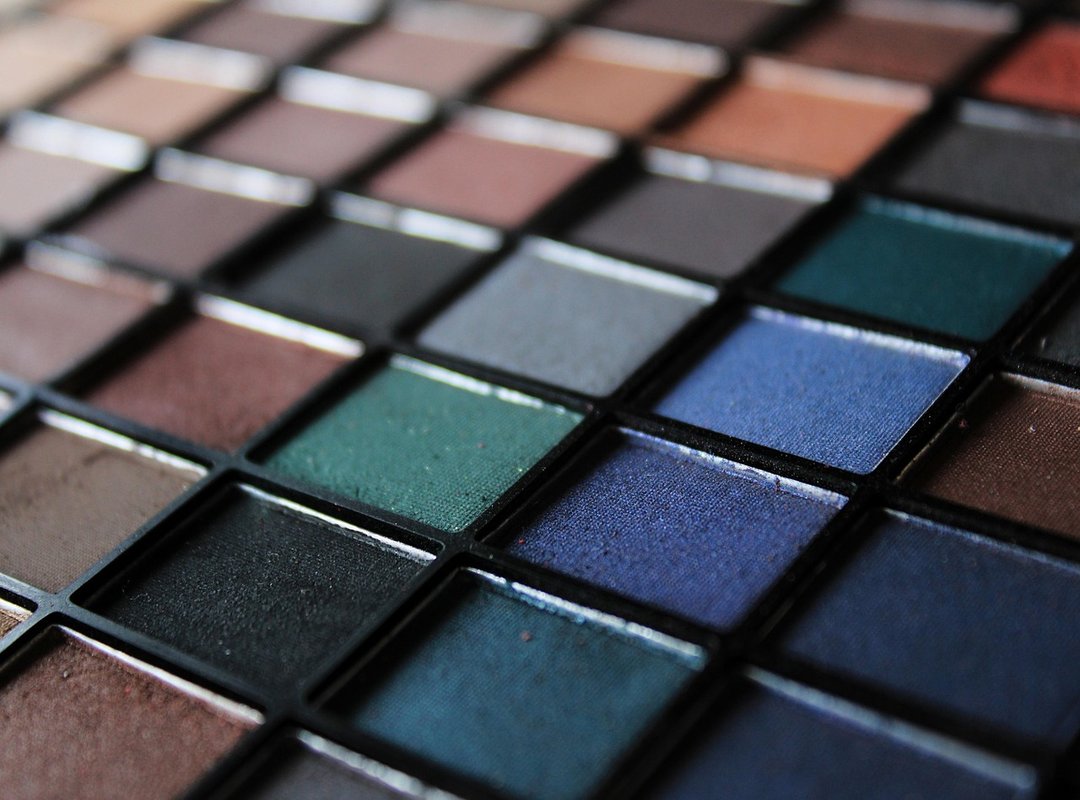
Palette 1: Crisp and Classic
I love a clean, timeless look. Pairing ivory yellow with crisp white trim and ceilings is a classic choice. Add black accents for a touch of contrast.
Imagine an ivory yellow living room with white walls and a sleek black coffee table.
Palette 2: Earthy and Natural
For a calming, organic feel, combine ivory yellow with soft greens like sage or olive, muted blues like slate or navy, and natural wood tones. Picture an ivory kitchen with sage green lower cabinets and a wooden dining table. It’s like bringing the outdoors in.
Palette 3: Warm and Monochromatic
Layering different shades of cream, beige, and taupe with ivory yellow creates a sophisticated and cozy atmosphere. Think of a bedroom with ivory yellow walls, a cream-colored bedspread, and taupe curtains. It’s all about creating a warm, inviting space.
Pro Tip: When choosing colors, consider the lighting in your room. Natural light can make colors appear differently, so it’s a good idea to test paint swatches on your walls before committing.
Using warna cat kuning gading dulux can be a great way to achieve that perfect ivory yellow tone. Just remember to balance it with the right complementary colors to bring out its best.
Room-by-Room Inspiration: Where Ivory Yellow Works Best
Living Room:
Ivory yellow makes the space feel larger, brighter, and more inviting for guests. It’s a great way to add a touch of warmth without overwhelming the room.
Bedroom:
In the bedroom, its warm undertones create a serene and restful retreat. You’ll find it easier to relax and unwind in a space that feels both cozy and calm.
Kitchen:
This color pairs beautifully with both white and wood cabinets. It gives your kitchen a classic, clean look that won’t go out of style. Perfect for those who love a timeless aesthetic.
Hallways & Entryways:
Ivory yellow is ideal for brightening up small or dark spaces. It adds light and warmth without the starkness of pure white. This can make a big difference in narrow hallways or entryways.
Pro Tip: Consider using warna cat kuning gading dulux for a consistent and professional finish across all these spaces.
Your Questions About Dulux Ivory Yellow Answered
Does ivory yellow look outdated?
No, it’s a timeless classic that can be modernized with contemporary furniture and accents.
What color furniture goes with ivory yellow walls?
It’s incredibly versatile; works with dark wood, light wood, gray, blue, and green furniture.
This flexibility makes warna cat kuning gading dulux a popular choice for many interior designs.
What finish is best (matte, eggshell, satin)?
Eggshell is great for living rooms and bedrooms, while satin is better for high-traffic areas or kitchens.
 Michael Fletcheroads is the kind of writer who genuinely cannot publish something without checking it twice. Maybe three times. They came to sustainable home practices through years of hands-on work rather than theory, which means the things they writes about — Sustainable Home Practices, Gardening and Landscaping Tips, DIY Project Tips, among other areas — are things they has actually tested, questioned, and revised opinions on more than once.
That shows in the work. Michael's pieces tend to go a level deeper than most. Not in a way that becomes unreadable, but in a way that makes you realize you'd been missing something important. They has a habit of finding the detail that everybody else glosses over and making it the center of the story — which sounds simple, but takes a rare combination of curiosity and patience to pull off consistently. The writing never feels rushed. It feels like someone who sat with the subject long enough to actually understand it.
Outside of specific topics, what Michael cares about most is whether the reader walks away with something useful. Not impressed. Not entertained. Useful. That's a harder bar to clear than it sounds, and they clears it more often than not — which is why readers tend to remember Michael's articles long after they've forgotten the headline.
Michael Fletcheroads is the kind of writer who genuinely cannot publish something without checking it twice. Maybe three times. They came to sustainable home practices through years of hands-on work rather than theory, which means the things they writes about — Sustainable Home Practices, Gardening and Landscaping Tips, DIY Project Tips, among other areas — are things they has actually tested, questioned, and revised opinions on more than once.
That shows in the work. Michael's pieces tend to go a level deeper than most. Not in a way that becomes unreadable, but in a way that makes you realize you'd been missing something important. They has a habit of finding the detail that everybody else glosses over and making it the center of the story — which sounds simple, but takes a rare combination of curiosity and patience to pull off consistently. The writing never feels rushed. It feels like someone who sat with the subject long enough to actually understand it.
Outside of specific topics, what Michael cares about most is whether the reader walks away with something useful. Not impressed. Not entertained. Useful. That's a harder bar to clear than it sounds, and they clears it more often than not — which is why readers tend to remember Michael's articles long after they've forgotten the headline.